
OBITUARIO
Alberto Gonzalez
17 septiembre, 1928 – 23 septiembre, 2012
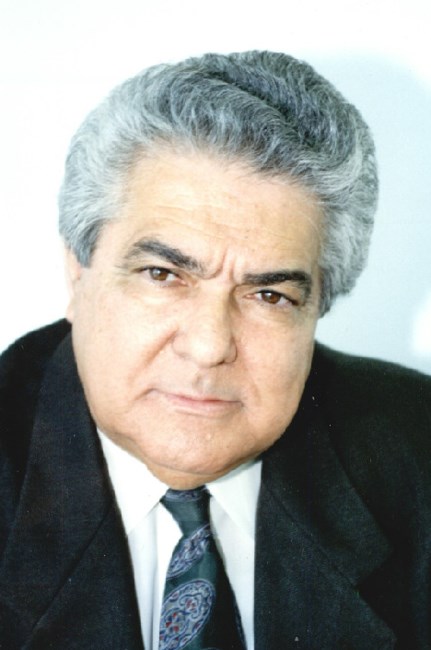
ALBERTO GONZÁLEZ, el iconoclasta humorista cubano, residente en Miami, Florida desde 1980, ha fallecido en Westchester, Florida de con 84 años de edad. Sobreviven sus seis hijos, 14 nietos, tres bisnietos, sus amigos toda la vida de Villa María, Cuba abarca cuatro generaciones e innumerables admiradores de su sátira política y programas de humor. Era conocido por su generosidad, su idealismo y una dedicación apasionada por su carrera como escritor y empresario durante 60 años.
Su obra está bien sazonada con observaciones mordaces, doble sentido y temas del momento, la política, el sexo y la cultura que propinó a sus rivales con gran fuerza y valentía, incluyendo sus publicaciones abiertamente en contra de Fidel Castro en Cuba que le costaron un año en la prisión durante la revolución comunista. Además de codearse con los mejores talentos de la farándula en Cuba, Colombia, Puerto Rico y Miami, fue un veterano agitador de consciencias, tan cáustico como brillante. Su obra abarca décadas de pasión recubierta con inteligencia y plasmada en sus libretos de radio y televisión, sus obras literarias y sus guiones que suplieron a su público con abundantes carcajadas y entretenimiento en la misma proporción que crítica social y política. Según él, su escritor favorito y la influencia literaria más importante fue gran humorista español del Siglo XX, Enrique Jardiel Poncela.
Nacido en Guanabacoa, Cuba el 17 de septiembre de 1928, sus padres eran Claudio González Sánchez, un inmigrante español de Galicia llegado a Cuba después de la batalla de Gibraltar y Belén Gutiérrez, bella hija cubana de otra familia inmigrante española. Alberto tuvo la suerte de estudiar en el Colegio de Belén y sus padres se sacrificaron mucho para darle mejores oportunidades y él siempre trato de hacer lo mismo para sus hijos. Cuando él tenía solamente 6 años de edad, una mujer que visitaba a los vecinos del pueblo, le obsequió una pluma fuente de regalo y predijo que él iba a ganarse la vida como escritor y que su obra sería reconocida como algo muy creativo y original.
Se ganó su primer concurso literario con "TITO, EL POLLITO VALIENTE", patrocinado por la legendaria estación de radio cubana, CMQ, que más tarde lo contrató para escribir los libretos de la crítica social de la época creada por Antonio Castells, "Garrido y Piñeiro" con el divertidísimo dúo de Alberto Garrido en la cara de negro y Federico Piñeiro como un inmigrante gallego nacido que llegó a ser conocido en Cuba como "los Ases de la risa", sino que también era un escritor del personal en el popular programa creado en 1942 por la revista Zig-Zag co-fundador Cástor Vispo "La Tremenda Corte "con el amado cómico Leopoldo Fernández y Mimí Cal como" Nananina ". También creó y escribió "La Taberna de Pedro", "Frente a La Calle", etc
Alberto escribió su primer guión titulado "Madera de Comerciante" con Adolfo Otero y Galí Mario para TEATRO DEL PUEBLO en RCH-Cadena Azul en La Habana el 1 de septiembre 1949 a la edad de 21 años. Había llegado a ser bien conocido como humorista en 1952, y escribió sus últimos shows en 2009 a la edad de 81 años gracias a la labor del gobierno de Estados Unidos en financiar a Radio Martí. Sin embargo, la mayor parte de la historia escrita de estos espectáculos creativos omite darle ningún crédito por su contribución y él sabía esto muy bien cuando nos decía: "Los escritores no son los que están frente a la audiencia".
Un hombre alto, trigueño, con una mirada intensa de un intelectual detrás de sus anteojos, podía discutir apasionadamente de historia y de política y aseverar, en cualquier debate, que sus ideas al respecto eran tan obvias para cualquier persona con tres dedos de frente que deberían ser aceptadas sin más discusión. Gracias a sus libretos cómicos y de sátira política guiones, sus obras de teatro e infinidad de
producciones, logró destacarse durante seis décadas como escritor, unir a sus familiares y llevar su cruzada ideológica contra Castro por todas partes que pudo.
Muchos rasgos de los cubanos nos pueden hacer atractivos a cualquiera: la calidez de nuestra sonrisa caribeña, nuestra soltura y actitud ganadora ante todo, la exuberancia de nuestro agudo sentido del humor junto con nuestras carcajadas y ataques frecuentes de risa, nuestro abundante uso de exageraciones en el idioma que convierten a la hipérbole en una patente subestimación y convierten contar cuentos en un pasatiempo nacional y más: un número sorprendente puede ocasionar gran deleite a la mirada. La combinación cubana de labia, estilo y buen porte ha cautivado a una porción considerable de la humanidad por muchas generaciones. Por lo anterior, no hay duda ninguna que nuestro padre calificaba como un ejemplo de todo esto.
Consuelo, su segunda esposa, fue también una de sus fanáticas más duraderas, riéndose con gusto de todas las hazañas humorísticas en la radio, la televisión, los periódicos y el cine y ayudándole a manejar la familia y el negocio durante 25 años. Por supuesto, no todo fue un cuento de hadas. Como es de sospechar, los superlativos que aplican perfectamente arriba gracias a una buena disposición suelen aplicar también en describir algunas debilidades colosales que tenemos todos como seres humanos y Alberto no era una excepción.
Su vida pulsaba con un ritmo rápido, llena de retos y de altas apuestas. Alberto creó programas innovadores de radio y televisión en Colombia, Puerto Rico, así como producciones de éxito de teatro en Miami con actores que imitan varias personalidades, políticos y, por supuesto, Fidel Castro en el escenario. Obras como "A Le Vicente Llegó Un Pariente" satirizó el gran desplazamiento causado por los inmigrantes éxodo del Mariel en escena de Miami y las risas se deja cicatrizar las divisiones y unir a las familias en un momento en que tanto necesitan. Sin embargo, sus propias pérdidas personales y el sentido de la traición histórica de Castro, a quien conocía personalmente, su exilio dejando a los padres, la hermana y la hija detrás, la necesidad de realizar esfuerzos incansables y su enorme perseverancia quizas no le permitieron ser una figura más tolerante, gentil o realista. Un idealismo profundo lo impulsaba y lo lanzaba como un tren fuera de control ante las circunstancias. La controversia se convirtió en sinónimo de su marca artística apasionada, su poder de persuasión y su desempeño humorístico en la sátira--- que le ayudó a hacer amigos y enemigos con la misma facilidad.
Tres de sus hijos nacieron en Cuba. Él y su primera esposa Marina tuvieron a Berta cuando él tenía 22 años y-- ocho años más tarde-- él y Consuelo tuvieron a Claudio seis meses antes de la revolución cubana y a Justo, un año después. Sus aspiraciones políticas de desarrollar la plataforma del Partido Creacionista cubano se desvanecieron y la lucha que marcaría la mayor parte de su vida adulta apenas comenzaba.
Gracias al pasaporte británico de Consuelo y sus parientes que vivían en Jamaica, emigró con éxito en 1961. A partir de ahí, Colombia ofrecía la mejor oportunidad para él. De hecho, sin que él lo supiera, los dueños de la radio emisora CMQ habían vendido los libretos de "La Taberna de Pedro" a Radio Caracol y al solicitar un trabajo, Alberto fue recibido por el Presidente de la estación y le ofreció un buen salario por más libretos inmediatamente. Sus guiones se convirtieron en la comedia más popular: "El Café de Montecristo" y dio lugar a la gran humorista colombiano Guillermo Zuluaga, quien ha seguido deleitando al público a este día como uno de los mejores cómicos de Colombia.
Nadie puede decir con certeza lo que Alberto sintió durante la separación de sus padres, su hermana y su primera hija, pero las fotos y las cartas que escribió en ese momento sugieren un gran duelo. Alberto era muy afortunado que su sufrimiento profundo y su dolor fueran convertidos por la alquimia de su pluma humorista en la risa de su audiencia y en los ataques implacables de su valiente sátira política. También tuvo la suerte de recuperar a sus padres y su hermana de Cuba y reunirlos en Colombia. Después de su tercer hijo, Oscar, nació en Bogotá, un gran terremoto lo dejó con ganas de trasladar a su familia a Miami de inmediato, donde nació y luego se convertiría en joven actriz, su hija Maribel. Los medios de comunicación en español de Miami estaban poco desarrollados y en 1963 Alberto intentó su “metier” en Puerto Rico. A pesar de todos los contratiempos en su vida, tuvo la suerte que su familia viniera a los Estados Unidos y que pudieran disfrutar de nuevas oportunidades y de libertad. Todos sus nietos y bisnietos, que nunca lo conocieron bien, le deben al menos su ciudadanía americana por ese simple hecho. Alberto nunca olvidó y, por fin, logró traer a Puerto Rico a su hija Berta, quien aún recuerda las cartas que escribió a ella en Cuba de memoria.
Después de establecerse como escritor político en el exitoso programa de televisión "Se Alquilan Habitaciones", Consuelo le ayudó a desarrollar su primera agencia de producción de televisión llamada Raditel. A través de los años, ellos crearon varias empresas con fines artísticos, culturales y filantrópicas como una competencia de decimas improvisada por trovadores folklóricos, un concurso de belleza y retiros de fin de semana para niños pobres en El Conquistador Resort. En 1968, su hijo menor, Luis nació en San Juan.
Podemos recordar mejor esos años por la risa del público en vivo que escuchábamos tan a menudo. La risa a carcajadas por todas partes en Puerto Rico exaltaba la chispa de sus excelentes colegas, actores, productores y directores como Paquito Cordero, Adalberto Rodríguez "Tiburcio Pérez, Alcalde de Machuchal", Elín Ortíz "Reliquia", Lolita "Pepa" Berrios, Ofelia Dacosta, Amparo Ribelles , Maribella García, Marilyn Pupo, Efraín Berríos "Pan Doblao", Delia Esther Quiñones, Víctor Arrillaga, Gilda Galán "Marunga" y "Doña Estelvina Tru-Tru", Mario Pabón y el fantástico comediante Rene Rubiella "plumón Avelino", que protagonizó la película de 1968 "El Derecho de Comer" como "Findingo Lenguamuerta" junto con la popular cantante Lissette Alvarez--- donde Alberto encontró su primer éxito como guionista cinematográfico. La lista sigue con actores como Vilma Carbia, Rolando Ochoa y Leopoldo Fernández, "Tres Patines en la presentación en Puerto Rico de su espectáculo llamado" Los Problemas de Trespatines ". Además, él fomentó nuevos talentos como Fernando Hidalgo, Juan Manuel Lebrón, Pepe Yedra, y los cómicos de la vieja guardia como Tito Hernández y Luis Echegoyen como" Mamacusa Alambrito "y programas muy populares como " La Taberna India ", su sátira política frecuentemente censurada " Se alquilan habitaciones "-- primera en su clase en Puerto Rico—y obras teatrales jocosas como “El Pianista en el Tejado”, entre otras.
Su ojo para la cultura y folklore dio frutos en muchas producciones como su telenovela "La Colina de los Siete Vientos, su concurso de belleza " La Reina de los Pueblos " y un programa de variedades al mediodía con grandes talentos folklóricos como Maso Rivera y su "cuatro" en la competencia de improvisación de "décimas" música popular caribeña que no había sido considerado "comercial" lo suficiente por los ejecutivos de televisión. También luchó contra estos ejecutivos cuando trataron de censurar su sátira política. En vez, lo encontraron redoblando sus esfuerzos y defendiendo la libertad de expresión sin descanso cambiándose de un canal de televisión a otro. Por un breve tiempo, volvió a abrir y editar "El Imparcial", periódico en San Juan, Puerto Rico. Nos mudábamos mucho en aquellos días.
A principios de la década de 1980, se mudaron a Miami con la esperanza de hacer películas y crear Moon Seventy Pictures. Pero encontró una mejor oportunidad de producir una serie de obras teatrales que presentaban al comediante Roblan Armando interpretando un Fidel Castro a punto de perder el poder ante una u otra crisis: "No hay Mal Que Dure Cien Años Duré, Ni Pueblo Que Lo Resista", "A Vicente Le Llegó Un Pariente "," El Partido Se partío ", donde Alberto predijo que Raúl Castro tomaría el poder después de Fidel Castro. Los teatros estuvieron llenos por varios años y algunas obras fueron presentadas en Tampa, Union City y Puerto Rico. Él animó el teatro en Miami con grandes artistas como el director Ramón Antonio Crusellas, la cantante Irene Farach, también actrices y actores como Normita Suárez, Mary Munnet, Luis Echegoyen, Hernández Tito, Manolo Coego y cultivó talento nuevo como Luis Rivas Jr, Eddie Calderón, Gilberto Reyes, entre otros.
En 1982, intentó gestionar un periódico diario en español llamado "El Mundo", pero esta fue la última faena con Consuelo. El viejo adagio "Detrás de todo gran hombre, hay una gran mujer" describe una gran realidad que era el indispensable apoyo de una gran mujer para todos estos logros personales y públicos. Es fácil imaginar cómo el gran poder de convencimiento, pasión y carisma también tuvo un costo personal muy alto por protegerlo de tantos otros aspectos importantes en su vida familiar y en los lazos personales.
Tal vez después de este momento sus obras no llegaron a otro punto tan culminante, pero todavía produjo gran entretenimiento y diversión para innumerables, como con los programas de actualidad y de sátira política en Miami de radio llamado "La Mogolla”, que curiosamente también trataron de censurar aun siendo los Estados Unidos. Él fue un veterano en la redacción de discursos políticos y ayudó a muchos políticos locales quienes apreciaron mucho su experiencia. Pero además, él intentó otra aventura empresarial llamada La Habanera Tours creando viajes en autobuses de lujo a lugares de interés estadounidenses, como parques y monumentos que proporcionaron horas de diversión para muchas parejas de jubilados y personas como él que tenían miedo de los aviones. El conocido empresario Felipe Valls lo apoyaba en todo y a él le encantaba pasarse horas en el Restaurante Versalles.
Otra gran mujer entró en su vida, Elida Castellón, y durante sus últimos años como escritor por fin encontró un lugar ideal en Radio Martí, donde el gobierno norteamericano produjo su último programa de sátira política "La República de la Cigüetera", así como otros libretos cómicos transmitidos por primera vez en 50 años otra vez en Cuba. Su escritura regresó al punto de partida, aunque él nunca pudo volver a su patria querida. Muy pocos escritores pueden convertirse en humoristas que abordan la sátira y la cultura con tanto talento y fecundidad. Pensamos en talentos estadounidenses del calibre de Norman Lear para comparar el alcance de los personajes humorísticos y conmovedores creados por Alberto y la polémica que causaron.
Alberto mostraba su amor siendo generoso, criticando los abusos de poder y luchando contra la censura y la injusticia política excepto en el caso de aquellos que no estaban de acuerdo con sus puntos de vista. Él no era el padre como la mayoría puede imaginar, pero él era auténtico y tenía fe absoluta en querernos a su manera. Él creía en soñar en grande e ignorar las derrotas y trabajó todos los días de su vida antes de que el Alzheimer le robara su cordura y perspicacia. Es muy fácil pensar que tuvo una vida plena en muchos sentidos, pero es difícil imaginar cuanto le debe haber afectado a él y a los hombres y mujeres de su generación enfrentar la salida del país que amaban, asumir el instinto de protección con sus familias en
el exilio y el instinto de supervivencia día a día. Es una pena que, con tanta controversia y pugna en su vida, se le hiciera imposible poder publicar comercialmente sus guiones y obras literarias.
Logró ser un pionero en la sátira política en televisión en español y revolucionó el teatro y la radio en Miami y todavía admiramos su don especial. Fue uno de los más talentosos humoristas de su género. Hemos dedicado un sitio web a sus obras para todos los que quieran visitar:
www.albertogonzalez-politicalsatirehumorist.com
Todos sus hijos pueden recordar haber sido beneficiarios de su bondad y reconocían en él un espíritu de lucha incansable que nunca se rindió. Son tantas las historias que vienen a la mente a recordarnos su pasión, coraje, generosidad y perseverancia.
Aun en su demencia se vio muy favorecido por los ángeles del centro de asistencia donde fue atendido con amor y dignidad. Todos los que verdaderamente aman el servicio a las personas mayores y muestran su gran humanidad y atención son nada menos que las manos y la bendición de Dios para ellos hasta que les llega su momento final.
En memoria de Alberto, nos gustaría que encuentren maneras de hacer reír a los demás—a carcajadas-- si es posible; hagan un almuerzo un domingo e inviten a varias generaciones de su familia a pasarse el día; vayan a una obra de teatro; y, por supuesto, si desean, pueden hacer una donación en beneficio de artistas teatrales o a una organización contra Alzheimer de su elección
ALBERTO GONZÁLEZ, the Cuban humorist and iconoclast, resident of Miami, Florida since 1980, died in Westchester, Florida of at the age of 84. He is survived by his 6 children, by 14 grandchildren, 3 great grandchildren, his lifetime friends from Villa María, Cuba spanning 4 generations, and countless admirers of his biting political satire and comedy shows. He was known for his boundless generosity, idealism, and passionate dedication during his 60 year career as a writer and impresario. His works were peppered with barbs, “double entendre” and news of the moment on politics, sex and culture with which he lampooned his rivals and foes with great force and courage, including writing openly against Fidel Castro in 1959 that cost him a year in prison during the Cuban communist revolution. In addition to hobnobbing with the best talent in show business in Cuba, Colombia, Puerto Rico and Miami, he was an inveterate agitator, as caustic as he was brilliant. His work spanning decades of passion and intelligence lives in all his radio and television scripts, his literary works and screenplays that supplied his audience with abundant laughter and entertainment in the same measure as social and political satire. According to him, his favorite writer and most important literary influence was the 20th Century Spanish humorist Enrique Jardiel Poncela. Born in Guanabacoa, Cuba on September 17, 1928, his parents were Claudio González Sánchez, a Spanish immigrant from Galicia after the Battle of Gibraltar and Belen Gutiérrez, a beautiful Cuban born second generation Spanish immigrant. He was fortunate to study at the Colegio de Belen thanks to his father’s employer. His parents were working people who sacrificed a great deal to give him better opportunities, and he always wanted to do the same for his children. When he was 6 years old, an older woman came to visit his neighbors gave him a pen as a present; she foretold he would write for a living his works would be recognized for their creativity and originality.
He won his first writing contest with “TITO, EL POLLITO VALIENTE” sponsored by Cuba’s legendary radio station, CMQ, which later hired him to write the social critique of the day created by Antonio Castells, “Garrido y Piñeiro” with the hilarious duo of Alberto Garrido in black face and Federico Piñeiro as a Galician born immigrant which became known in Cuba as “the Aces of Laughter”; he also was a staff writer in the popular show created in 1942 by Zig-Zag magazine co-founder Cástor Vispo “La Tremenda Corte” with the beloved comic Leopoldo Fernández and Mimí Cal as “Nananina”. He also created and wrote “La Taberna de Pedro”, “Frente a La Calle”, etc.
Alberto wrote his first comic script titled “Madera de Comerciante” with Adolfo Otero and Mario Galí for TEATRO DEL PUEBLO in RCH- Cadena Azul in La Habana on September 1, 1949 at the age of 21. He had become well known as a humorist by 1952, and wrote his final shows in 2009 at the age of 81 thanks to the the US Government funding of Radio Marti. Yet, most of the written history of these creative shows omits giving him any credit for his penmanship, a fact he knew too well when he would tell us: “writers are not the ones in front of the audience.”
A tall man with dark hair with an intense gaze and the look of an intellectual behind his thick black glasses, he could passionately discuss history and politics defending his heartfelt and aren’t-they-obvious-to-you conclusions. Thanks to his comedy and political satire scripts, plays and endless productions, he accomplished six decades as a writer, bring his relatives to freedom from Cuba, and carry his ideological crusade against Castro everywhere he could.
Many traits of Cuban men and women make us utterly endearing to anyone: the warmth of our Caribbean smiles; our carefree swagger no matter what; the exuberance of our keen sense of humor coupled with tremendous bouts
of unabashed laughter; our abundant use of exaggerations in speech that turns hyperbole into a seeming understatement as well as storytelling into a national pastime; and, more: a surprising number of us can often be easy on the eyes. The Cuban combination of a silver tongue, panache and good looks has charmed the pants and skirts off a considerable slice of humanity for generations. There is little doubt in our mind that our father qualified as all the above.
His second wife, Consuelo Luque, was one of his most enduring fans, laughing with gusto at his humorous exploits in radio, television, newspapers and cinema and helped him manage the family and business for 25 years. But, not all was a fairy tale. As can be suspected, the superlatives that apply perfectly thanks to our good humored disposition apply very well in describing some of our colossal human failings. Alberto was not exempt by any means.
His was a fast paced, high stakes life, and he created ground breaking Spanish radio and television shows in Colombia, Puerto Rico as well as successful theater productions in Miami featuring actors imitating various personalities, politicians and, of course, Fidel Castro on stage. Plays such as “A Vicente Le Llegó Un Pariente” satirized the large displacement caused by the Mariel boatlift immigrants in Miami scene and allowed laughter to heal the rifts and to unite families at a much needed time. Yet, his own personal losses and sense of historical betrayal by Castro, whom he knew personally, his exile leaving parents, sister and daughter behind, the need for tireless efforts, and his amazing perseverance perhaps did not allow him to be a more tolerant, gentle or realistic figure. Idealism moved him and unleashed a runaway train of circumstance. Controversy became synonymous with his brand of passionate appeal, persuasion and satire; he made friends and enemies easily.
Three of his children were born in Cuba. He and his first wife Marina had Berta when he was 22 years old, and eight years later he and Consuelo, his second wife, had Claudio six months before the Cuban revolution and Justo, a year after that. His aspirations to be a politician and develop the platform of the Partido Creacionista Cubano were dashed, and the larger struggle that would become the majority of his adult life had just begun.
Thanks to Consuelo’s British passport and relatives living in Jamaica, he emigrated successfully in 1961. From there, Colombia offered the best opportunity for him. In fact, unbeknown to him, the CMQ radio station owners had sold “La Taberna de Pedro” scripts to a Radio Caracol, and upon applying for a job, Alberto was greeted by the President of the station and offered a job on the spot. His scripts became the most popular comedy show: “El Café de Montecristo” and gave rise to the great Colombian humorist Guillermo Zuluaga, who has continued to delight audiences to this day as one of Colombia’s greatest comics in Colombia.
No one can say with certainty what he felt during the separation with his parents, his only sister and her daughter, but photos and letters he wrote at this time suggest his grief. Alberto was very fortunate in that his silent struggles and pain were converted thanks to the alchemy of his humorist pen into the laughter of his audience and the relentless attacks of his valiant political satire. He also was fortunate that he was able to get his parents and sister out of Cuba and reunite in Colombia. After his third son, Oscar, was born in Bogotá, a large earthquake hit, and he moved the newly reunited family at once to Miami, where daughter Maribel was born and later became a young actress. Miami’s Spanish media was still underdeveloped and in 1963; Alberto tried his craft in Puerto Rico. In spite of all the difficulties in his life, he enjoyed the good fortune of having all his family become residents of the United States and enjoy new opportunities and freedom. All his grandchildren and great grandchildren, that did not know him so well, owe him at least their US Citizenship by that fact. He also never forgot and was able to bring to Puerto Rico his oldest daughter Berta, who still keeps the letters he wrote to her in Cuba memorized.
After establishing himself as a political writer in the hit television show “Se Alquilan Habitaciones”, Consuelo helped him develop their first television production agency called Raditel. Over the years, they created several companies for artistic, cultural and philanthropic purposes such as an improvisational folkloric troubadour competition, a beauty pageant and weekend retreats for poor children at El Conquistador Resort. In 1968, their youngest son, Luis was born in San Juan.
We can recall those years best by the laughter of a live audience always in the background. Unabated laughter everywhere in Puerto Rico helped fan the spark of great colleagues, actors, producers and directors such as Paquito Cordero, Adalberto Rodríguez “Tiburcio Pérez, Alcalde de Machuchal”, Elín Ortíz “Reliquia”, Lolita “Pepa” Berrios, Ofelia Dacosta, Amparo Ribelles, Maribella García, Marilyn Pupo, Efraín Berríos “Pan Doblao”, Delia Esther Quiñones, Victor Arrillaga, Gilda Galán “Marunga” y “Doña Estelvina Tru-Tru”, Mario Pabón, and the fantastic comedian Rene Rubiella “Avelino Plumón”, who starred in the 1968 film “El Derecho de Comer” as “Findingo Lenguamuerta”with the popular singer Lissette Alvarez where Alberto found his first success as a screenwriter. The list goes on with actors like Vilma Carbia, Rolando Ochoa and Leopoldo Fernández, “Tres Patines” in the Puerto Rican reprisal of his show called “Los Problemas de Trespatines”; also, he gave rise to new talent like Fernando Hidalgo, Juan Manuel Lebrón, Pepe Yedra, and old guard comedians like Tito Hernández, and Luis Echegoyen as “Mamacusa Alambrito” and highest rating shows such as “La Taberna India”, his frequently censured political satire “Se Alquilan Habitaciones”---first of its kind in Puerto Rico—and plays like “El Pianista en el Tejado,” among others.
His eye for folkore and popular culture created rich moments like his prime time soap opera “La Colina de los Siete Vientos, his “La Reina de los Pueblos” beauty pageant, and a noon variety show featuring Great folkloric talents like Maso Rivera and his “cuatro” in improvisational competition of “décimas” Caribbean folk music that had not been deemed “commercial” enough by television executives. He also fought these executives who attempted to censure his political satire, and they found him lambasting their efforts and championing freedom of speech tirelessly. For a brief time, he re-opened and edited “El Imparcial” newspaper in San Juan, Puerto Rico. We moved around a lot in those days.
In the early 1980’s, they moved to Miami hoping to do film and created Moon Seventy Pictures. Instead, he found a better opportunity by producing a string of political satire theatrical performances featuring comedian Armando Roblán portraying an increasingly frustrated Fidel Castro: “No Hay Mal Que Dure Cien Años, Ni Pueblo Que Lo Resista”, “A Vicente Le Llegó Un Pariente”, “El Partido Se Partió” where he foretold that Raul Castro would take over after Castro, etc. These ran sold out shows for years, and some were presented in Tampa, Union City and Puerto Rico. He enlivened theater in Miami with great artists like Normita Suarez, Ramón Antonio Crusellas, Irene Farach, Mary Munnet, Luis Echegoyen, Tito Hernández, Manolo Coego and cultivated new talent like Luis Rivas Jr, Eddie Calderón, Gilberto Reyes, among others.
In 1982, when they opened the short-lived Spanish daily newspaper, “El Mundo”, the couple endured their last struggle together and separated afterward. The old adage “detrás de todo gran hombre, hay siempre una gran mujer” describes how much behind the scenes of success for a great man was the indispensable support of a great woman in his personal and in his public life. One can easily imagine how this man’s great powers of persuasion, passion and charisma also had a high personal cost by shielding him from so many other important aspects of family life and personal bonds.
Perhaps his works beyond that time never reached the same high point, but they still produced entertainment and diversion for countless, like the political satire radio show in Miami “La Mogolla”, that, surprisingly, some still
tried to censure even in the USA. He was an old hand at political speech writing and helped many local politicians who appreciated his chops. And, he also tried a business venture making luxury bus itineraries of US landmarks, parks and monuments called “La Habanera” Tours that provided hours of enjoyment for many retired couples and people like himself that were afraid of airplanes. The well-known entrepreneur Felipe Valls helped and supported him, and he loved hanging out at Versailles Restaurant.
Another great woman came into his life, Elida Castellón, and his last years as a writer found him a fitting and ideal place in Radio Marti, where the US Government production of his last controversial political satire show “La Republica de la Cigüetera” as well as other comical sketches were broadcast for the first time in 50 years back in Cuba. His writing went full circle even if he was never able to go back to his beloved homeland. Few writers become good humorists that tackle satire and culture indeed. We think of talents like Norman Lear when we consider the scope of the humorous and poignant characters that Alberto created and the controversies that ensued.
Alberto showed loved by being generous to a fault, by being critical of abuses of power, by fighting censure and political injustice, except for those who disagreed with his views. He was not the hand holding parent that most people may experience, but he was authentic and believed in his brand of goodness for all. He believed in dreaming big and ignoring defeat; he always worked every day of his life before Alzheimer robbed him of his sanity and acumen. It is easy to say that he had a rich and full life, but it will never be easy for anyone to imagine the hardship that he as well as men of his generation confronted in leaving the country they loved behind, in assuming the protective instincts toward their families in their exile and the survival instincts they needed to live day by day. It is regrettable that he would be kept so many times, beset with controversy and struggle, from being able to publish his scripts and literary works.
In many ways, he pioneered political satire in Spanish language TV and revolutionized theater & radio in Miami, and we still admire his special gift. Alberto was one of the most talented humorists of his kind. We have started a website memorial of his works: www.albertogonzalez-politicalsatirehumorist.com
All of his children can remember being touched by his goodness and recognize a spirit in him that could overcome adversity head on and never gave up. So many stories come to mind that show his courage, generosity and perseverance.
His fight with dementia was greatly helped by angels of the assisted living facility where he was cared for with love and dignity. All who genuinely love their service to the elderly and show their great humanity and care are no less than the hands of God blessing them until their time has come.
In memory of Alberto, find ways to make others laugh out loud; invite your extended family for Sunday brunch and spend the day; go to a play; and, of course, donate to any Theatrical or Alzheimer organizations of your choice.
Muestre su apoyo
Comparta Un Recuerdo
Comparta
Un Obituario
Obtenga actualizaciones
Servicios
COMPARTA UN OBITUARIOCOMPARTA
- RECIBIR RECORDATORIOS
v.1.18.0